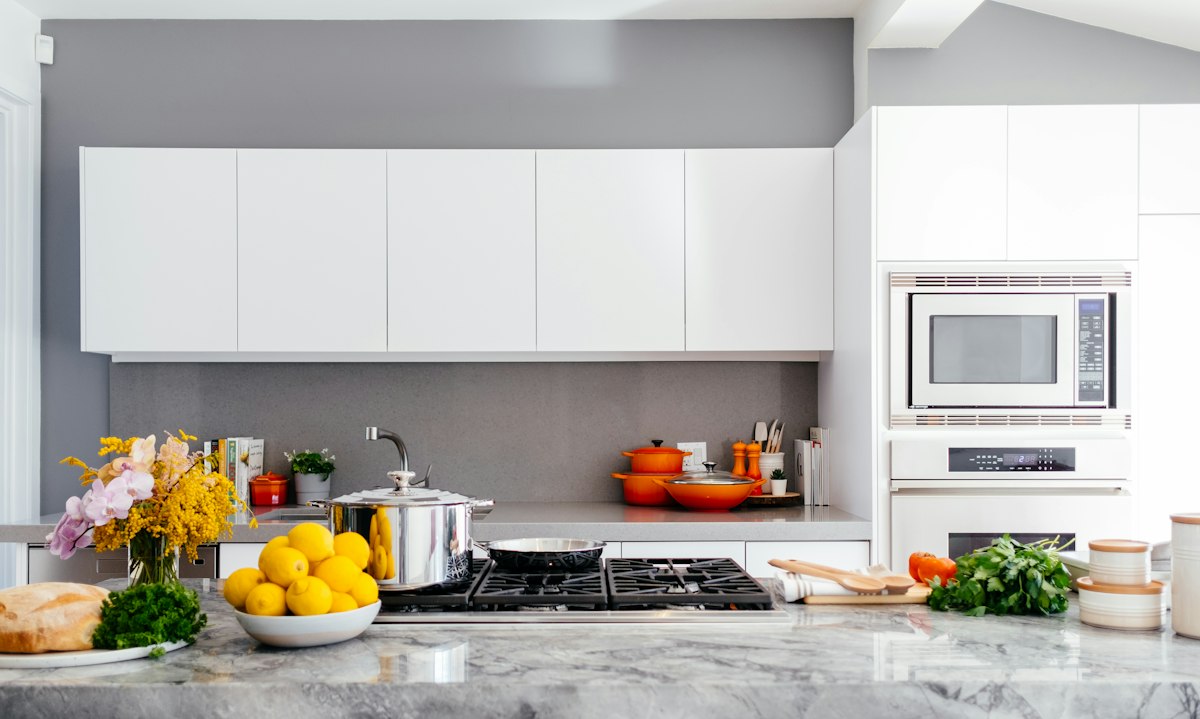
Cabinet style is the single most impactful design decision in a kitchen renovation. It sets the aesthetic for everything else — countertops, hardware, flooring, lighting. After 13 years and 1,200+ kitchens, we've watched every trend arrive and most of them fade. Here's our honest take on what we're building in 2025 and what we'd steer you away from.
What We're Building More of in 2025
Inset cabinetry: Doors that sit flush inside the cabinet frame, traditional furniture-style construction. More expensive but unmistakably premium. Increasingly requested by Main Line and Bucks County homeowners who want a kitchen that will look as good in 20 years as it does today.
Warm whites and creams: The cool, stark white kitchen had a long run. Now we're seeing warm whites — off-white, antique white, warm linen — that feel more inviting and photograph with more warmth.
Two-tone with dark lowers: White or cream uppers with a deep navy, forest green, or graphite lower cabinet. When done right, it's timeless. The key is choosing the right proportions and a hardware finish that bridges both colors.
Slab door profiles (Shaker alternative): Clean, flat-front cabinetry is gaining serious ground, particularly in transitional and contemporary kitchens. No reveals, no frames, just clean lines.
What's Becoming Dated
All-white with white countertops and white subway tile — it was everywhere from 2015 to 2022 and is starting to feel like a decade. If you have it already, some warm accessories and hardware updates can refresh it. If you're designing new, we'd push you toward more layered materials.
Farmhouse everything — shiplap backsplash, open shelving, barn doors on every cabinet. A few farmhouse elements in the right context are beautiful; a full farmhouse immersion is looking very 2018.
Have questions about cabinet style for your renovation? We'd love to show you options in our Ambler showroom. Book a visit here.
Door Styles: The Foundation of the Look
Before color or hardware, the door style sets the entire tone of a kitchen. The choices we're specifying most in 2025:
- Inset: Doors sit flush within the cabinet frame, furniture-style. The most premium and most timeless option, increasingly requested by clients who want a kitchen that looks as good in 20 years as it does today.
- Shaker (and its variations): Still the workhorse of transitional design. We're seeing narrower rails for a cleaner, more contemporary take on the classic.
- Slab: Flat, frameless fronts for modern and transitional kitchens. Clean lines, no reveals — beautiful in the right architecture.
- Beaded and detailed profiles: For period-appropriate and farmhouse-leaning kitchens, especially in older homes.
The right door style depends heavily on your home's architecture — our guide to transitional vs. modern design helps match the two.
Finishes: Painted, Stained, and Natural Wood
The finish conversation has shifted dramatically. Cool, stark whites have given way to warm whites, creams, and soft greiges that feel inviting rather than clinical. At the same time, natural wood is having a major resurgence — white oak, walnut, and rift-cut veneers bring warmth and texture that paint can't replicate. Our Custom Walnut Island Kitchen shows how a wood island can anchor an otherwise painted kitchen. Two-tone schemes remain extremely popular: a painted perimeter with a wood or contrasting-color island, as in our Sage Welborn & White Island Kitchen.
Color Directions Worth Considering
Deep, saturated colors continue to gain ground for islands and lower cabinets — navy, forest and sage green, graphite, and warm earth tones. The key is restraint and proportion: a deep color grounds a kitchen when balanced against lighter uppers and the right metal finish to bridge them. Our Cherry Amber navy two-tone kitchen and Stacked Brass & Black Kitchen are strong examples of color used with confidence.
Hardware and the Details
Hardware is the jewelry of the kitchen, and finishes have warmed alongside everything else. Unlacquered and aged brass, champagne bronze, and warm satin metals are dominating, often mixed thoughtfully with a secondary finish. Beyond knobs and pulls, the details that read as custom include stacked cabinetry that runs to the ceiling with crown molding (as in our Stacked White & Gray Kitchen), integrated panel-ready appliances, and furniture-style toe kicks and feet.
Storage Innovations That Actually Matter
The best cabinetry trend isn't visual at all — it's function. The features our clients use and love every day include deep drawer banks instead of base cabinets with doors, dedicated pantry pull-outs, integrated charging and appliance garages to keep counters clear, and custom inserts for utensils, spices, and cookware. Investing in smart storage is the single best way to make a kitchen feel luxurious in daily use. We detail the construction quality behind these features in our custom cabinetry guide.
What's Becoming Dated
All-white kitchens with white counters and white subway tile had a long run from 2015 to 2022 and are starting to feel of-their-decade. Full farmhouse immersion — shiplap everywhere, open shelving on every wall, barn doors on every cabinet — is also looking dated; a few farmhouse elements in the right context still work beautifully. And ultra-trendy, hyper-specific looks rarely age well. The throughline of everything we build is timelessness: choices that will look intentional and elegant a decade from now.
Frequently Asked Questions
What cabinet style is most timeless? Inset and clean Shaker profiles in warm, neutral finishes age the most gracefully. Trend-chasing is where kitchens date themselves.
Is two-tone cabinetry going out of style? No — when done with the right proportions and a bridging hardware finish, two-tone is a lasting, sophisticated look, not a fad.
How much does cabinetry affect my budget? A great deal — typically 30–40% of a kitchen's total cost. See our cost guide for the full breakdown.
Want to see and touch the difference between cabinet lines and finishes? Learn about our kitchen remodeling services, browse completed kitchens, and schedule a free consultation. When our Ambler showroom opens, you'll be able to compare door styles and finishes in person.
Cabinet Construction: What You're Really Paying For
Trends come and go, but cabinet construction quality is what determines whether your kitchen still looks and functions beautifully in fifteen years. The differences are mostly invisible at first glance and entirely visible over time:
- Box material: Plywood boxes are stronger, hold fasteners better, and resist moisture far better than particleboard. In a kitchen, that matters.
- Joinery: Dovetailed drawer boxes and quality glides outlast stapled boxes and cheap slides by decades.
- Door fit and finish: Precisely fitted doors that stay aligned over time, and durable hand-applied or conversion-varnish finishes, separate premium cabinetry from the rest.
- Hardware quality: Soft-close hinges and full-extension, soft-close glides are now expected at the premium level.
This is why we don't build with stock big-box cabinetry. The fit, finish, and longevity simply don't meet the standard our clients expect. Our complete cabinetry guide walks through the stock vs. semi-custom vs. full-custom decision in detail.
How Trends Translate Across Cabinet Tiers
A current trend can be executed at very different quality levels, and the result is not the same. A warm-white Shaker kitchen built in stock cabinetry and the same look built in full-custom inset cabinetry will photograph similarly on day one and diverge dramatically over years of daily use. When you're investing in a kitchen meant to last, it's worth putting your budget into construction quality first and trend-driven flourishes second. The trends in this article — warm whites, two-tone, natural wood, inset construction — all hold up best when built well.
How to Choose Cabinets That Won't Date
The single best way to avoid a dated kitchen is to anchor your design in timeless fundamentals and express personality through easily changed elements. Keep the cabinetry itself classic — Shaker or inset, warm neutral or natural wood — and let hardware, paint on a single accent, lighting, and decor carry the trend-forward energy. Those are inexpensive to refresh in a few years; cabinetry is not. This approach gives you a kitchen that feels current now and elegant for decades, and it's the philosophy behind every kitchen in our portfolio, from the classic White Quartzite Glazed Kitchen to the contemporary Stacked Brass & Black Kitchen.
Caring for Your Cabinetry
Beautiful cabinetry deserves simple, consistent care to stay that way. Wipe spills promptly, especially near the sink and dishwasher; use gentle, non-abrasive cleaners rather than harsh chemicals; and avoid draping wet towels over door fronts, which can damage finishes over time. Quality finishes are durable, but they reward a little attention. We provide care guidance specific to the cabinetry line you choose, so your investment looks showroom-fresh for years. To see and compare lines and finishes in person, learn about our kitchen remodeling services and schedule a consultation.
Frequently Asked Questions
What is the most popular kitchen cabinet color in 2025? Warm whites and creams lead overall, followed by deep navy, forest and sage green, and natural wood tones (white oak and walnut) — most often in two-tone combinations.
Are white kitchens out of style? Cool, stark white-on-white is fading, but warm white remains a classic. The shift is toward warmth and layered materials, not away from light kitchens entirely.
What is the difference between inset and overlay cabinetry? Inset doors sit flush within the cabinet frame (furniture-style, most premium); overlay doors sit on top of the frame. Inset costs more but reads as unmistakably high-end and timeless.
Is two-tone cabinetry still in style? Yes — a painted perimeter with a contrasting or wood island is a lasting, sophisticated look when the proportions and hardware are right.
How much of my budget should cabinetry be? Typically 30–40% of the total kitchen cost. It's the single largest line item and the one most worth investing in for quality.
Should I choose stock, semi-custom, or full-custom cabinets? It depends on your layout and quality goals — our cabinetry guide covers the trade-offs. To compare options for your kitchen, schedule a consultation or learn about our kitchen remodeling services.
A Final Word on Choosing Cabinetry
Cabinetry is the single most consequential decision in a kitchen renovation — it sets the aesthetic, drives a large share of the budget, and determines how the room functions every single day for the next two decades. Chasing the very latest trend is the fastest way to a kitchen that feels dated; investing in timeless door styles, warm and considered finishes, genuine construction quality, and smart storage is the surest path to a kitchen you'll love far longer than any trend cycle. The looks that endure are the ones built on these fundamentals, expressed with restraint and impeccable craftsmanship. If you'd like expert guidance choosing cabinetry that's right for your home and your budget, browse our completed kitchen projects, explore our luxury kitchen remodeling services, and schedule a free in-home consultation with our design-build team.
See what we build with, from hickory to rift white oak, on our custom cabinetry service page.
Start Your Project
Ready to Stop Reading and Start Building?
The consultation is free. We'll visit your home, understand your vision, and show you what's possible.
Or call: 267-402-8758